
A collaboration between Unilever's team of microbiologists and skin scientists and experts in quantum computing and artificial intelligence at IBM Research and the Hartley Center for Science and Technology Facilities Council has shown that niacinamide, also known as vitamin B3, can increase the amount and effectiveness. The skin's natural antimicrobial peptide (AMP).
According to Unilever, the insights provided by these simulations could form the basis for new skin hygiene products and cosmetics that use niacinamide and possibly other peptide-boosting materials, while still complying with applicable regulations.
The discovery was first made a few years ago by Unilever scientists in India who found that vitamin B3 can trigger an increase in the amount of AMP that the skin naturally produces. And this AMP enhancement can provide performance benefits.
The ingredient is then added to products such as hand sanitizers to increase effectiveness. Laboratory studies have shown that the vitamin also increases the potency of natural AMP, making it more effective.
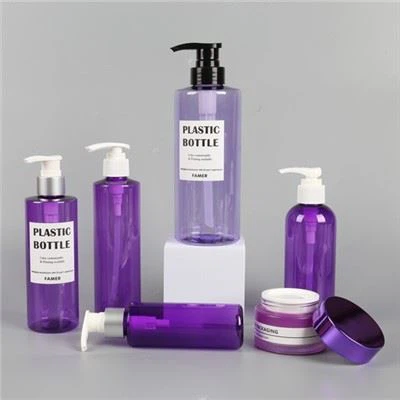
So the packaging of this laundry detergent also has certain requirements, the main purpose of the packaging of hand sanitizer holders is to protect the product when it is stored or transported. Packaging must be a well-thought-out solution that prevents product spoilage and helps maintain its quality. As part of marketing a beauty product, it has to be good-looking. Labels can also be included on the packaging to clearly display basic information about the product and the manufacturer. These labels include contact information, ingredients, expiration dates, warnings, and instructions. Labels not only identify a product and its source but also help consumers understand facts that are not confusing or misleading. Ideally, the container is made of durable material so that the product has a long shelf life. With consumer use, it has to last longer. Frequent opening and closing of the hand sanitizer dispenser can take a toll over time. Ultimately, the container of hand sanitizer must protect the product to some extent so that it remains a safe product for human use. In other words, the container must protect the product from dirt, dust, and bacteria.