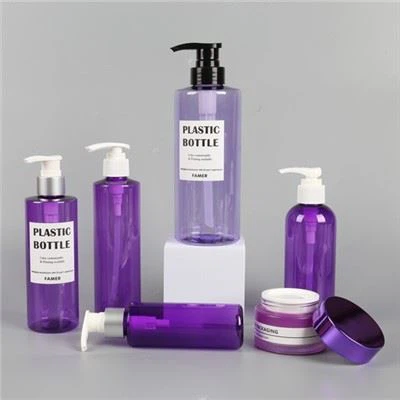

A pump bottle that "won't open" is not always actually locked. The pump head may be stuck, the entire closure may be spinning, the actuator may already be open but not dispensing, or dried product may be blocking movement.
If you are trying to work out how to open a pump bottle, start with the quick steps below. If they do not work, identify the exact symptom before using more force.

Quick Answer: Try These Steps First
- Dry your hands and the bottle for a better grip.
- Look for an OPEN/CLOSE arrow, transit clip, or protective cap.
- Make sure the closure collar is seated firmly on the bottle.
- Hold the collar still and turn only the pump head toward OPEN.
- If the design requires it, apply light downward pressure while turning.
- Once released, press the pump several times to prime it.
- Stop if the actuator, stem, closure, or bottle neck is cracked or visibly deformed.
- Do not assume every pump opens in the same direction. Always follow the markings on the actual package when they are available.
First Diagnose What "Won't Open" Means
Before troubleshooting, identify what the pump is actually doing.
|
What You See |
Likely Problem |
What to Try |
|
Pump head will not turn |
Lock or dried product |
Check lock type and clean accessible residue |
|
Whole pump spins |
Loose closure collar |
Hold the collar and turn only the actuator |
|
Head turns but will not rise |
Wrong unlocking motion |
Follow OPEN markings |
|
Head rises but nothing comes out |
Priming or flow issue |
Prime and inspect the dip tube |
|
Pump gives weak output |
Air, partial clog, low product level |
Check flow path and fill level |
|
Pump stays down |
Residue or internal failure |
Clean externally, then assess damage |
|
Product leaks around the neck |
Closure or sealing issue |
Reseat and inspect the pump fit |

A pump that has already popped up but does not dispense is usually no longer an opening problem. At that point, focus on priming, product pickup, sealing, or pump compatibility.
Identify the Pump Lock Before Forcing It
Most users only need to recognize a few common lock types.
Up-Lock Pumps
With an up-lock design, the actuator rises after the lock is released.
Hold the closure collar and rotate only the actuator according to the OPEN marking. If the entire closure moves with the head, the lock may not release because the two components are rotating together.
Down-Lock Pumps
Some pumps lock while the actuator is pressed down.
These may require light downward pressure while turning. Because the actuator can move during unlocking, a filled bottle may dispense a small amount of product in the process.
Twist Locks, Transit Clips and Overcaps
Some pumps unlock after only a short rotation. Others use a removable plastic clip beneath the actuator or an external protective cap.
Always remove physical clips or overcaps before assuming the pump itself is stuck.
The key rule is simple:
Identify the lock first. Add force only after you know how the pump is supposed to move.
Troubleshoot by Symptom
The Pump Head Will Not Turn
On a used shampoo, lotion, soap, or cream bottle, dried formula can collect around the stem and collar and make the pump feel locked.
Try these checks:
- Dry the bottle and your hands.
- Confirm the correct opening direction.
- Hold the collar and actuator separately.
- Remove visible dried product around accessible moving parts.
- Use a dry cloth or rubber grip if you need more traction.
Avoid gripping the actuator with metal pliers. Extra grip can help; crushing force can damage the stem or pump head.
If the pump is clean and the correct opening motion still does not work, inspect the actuator and closure for deformation.
The Whole Pump Turns With the Head
This is one of the most common situations people misdiagnose.
The closure collar is attached to the bottle neck. The actuator is the part you press.
If both rotate together, the actuator may not move relative to the collar, so the lock cannot disengage.

Tighten the closure carefully, hold the collar still, and rotate only the actuator.
If the closure cannot sit straight or remain secure on the bottle, the problem may be related to the thread or neck fit rather than the lock.
The Pump Pops Up but Nothing Comes Out
Once the actuator has risen and moves normally, check the dispensing path rather than continuing to twist it.
Start with:
- Priming: use several full, controlled strokes.
- Product level: make sure the dip tube is submerged.
- Bottle position: keep the bottle upright while priming.
- Dip tube: check whether it is too short, detached, or sharply bent.
- Blockage: inspect the nozzle and stem for dried product.
- Seal: check whether the closure is seated properly.
If a new pump still fails to draw product after these checks, the pump may not be suitable for the formula or may have an internal fault.
The Pump Sputters, Gives a Weak Dose, or Stays Down
Weak or inconsistent output often points to:
- Low product level
- Air entering the system
- Partial blockage
- Poor dip-tube position
- Incomplete priming
- Formula that is difficult for the selected pump to handle
If the actuator stays down after pressing, clean visible residue around the stem first.
If it still does not return, or the stem is bent or damaged, replacement is usually more practical than dismantling the internal spring or valve system.
Product Leaks Around the Bottle Neck
Wipe away old residue first so you can confirm whether active leakage is occurring.
Then check:
- Is the closure sitting straight?
- Is it cross-threaded?
- Does it remain secure after tightening?
- Is there visible damage around the bottle neck or closure?
For one bottle, reseating or replacing the pump may solve the problem.
If the same leak appears across many samples or production units, it should be treated as a packaging compatibility issue rather than an individual user problem.
Clean and Prime a Stuck Pump Safely
For water-compatible dried residue, moderately warm water can help loosen product around accessible parts of the actuator, nozzle, or stem.
If the pump can be removed safely, protect the open bottle before cleaning it.
Avoid:
- Boiling water
- Open flame or direct heat
- Metal pliers on the actuator
- Excessive twisting
- Piercing the closure or seal
- Pumping contaminated rinse water back into the product
Not every formula or pump should be soaked or flushed. Oil-based, anhydrous, or contamination-sensitive products need more caution.
How to Prime the Pump
Keep the bottle upright and press the actuator through complete strokes until the output becomes consistent.
There is no universal number of priming strokes. Dip-tube length, pump design, formula viscosity, and air inside the system all affect how quickly product reaches the nozzle.
If repeated priming does not establish flow, stop pumping and return to the diagnostic checks.
Repair or Replace?
A pump is usually worth troubleshooting when:
- The lock has not been released correctly.
- A transit clip is still fitted.
- The pump has not been primed.
- Dried residue is visible.
- The actuator still moves normally.
- No component is visibly damaged.
Replacement is more sensible when you find:
- A cracked actuator
- A bent stem
- Damaged closure threads
- Permanent deformation
- An actuator that repeatedly fails to return
- Persistent leakage
- Continued dispensing failure after basic troubleshooting
For a household bottle, replacing the pump is normally easier than repairing internal valves or springs.
For a brand, repeated failure across multiple units requires a different question: is the pump actually compatible with the bottle and formula?
If the problem goes beyond unlocking the pump, our spray bottle and pump troubleshooting guide can help you compare priming, product pickup, leakage, weak output, and other dispensing symptoms.
How to Choose a Replacement Pump That Fits

A replacement pump needs to do more than simply screw onto the bottle.
Check the Neck Finish
Two closures can look similar in diameter and still use different thread profiles.
For production sourcing, use the confirmed bottle neck specification or technical drawing rather than relying only on visual comparison.
Same diameter does not automatically mean the same neck finish.
Check the Dip-Tube Length
A tube that is too short may leave usable product in the bottle.
A tube that is too long may bend against the base and interfere with product pickup.
Evaluate the tube with the actual bottle geometry.
Match the Pump to the Formula
Physical fit does not guarantee good dispensing performance.
Consider:
- Formula viscosity
- Desired dose per stroke
- Priming performance
- Product pickup
- Lock type
- Intended use environment
A shampoo, lotion, serum, foam product, fine-mist product, and airless system may require very different dispensing solutions.
The product category is useful, but the actual formula and required dose should guide the final pump choice.
For Brands: Prevent Pump Complaints Before Production
A single stuck bottle can be troubleshooting.
Repeated complaints are a packaging-development signal.
Before approving a pump for mass production, evaluate three areas.

1. Test With the Finished Formula
Do not rely only on a water test.
Use the intended bottle, pump, dip tube, sealing components, and finished or representative formula whenever possible.
Check:
- Priming behavior
- Dose consistency
- Actuator return
- Leakage
- Product pickup
- Performance after storage
2. Consider the Sales Channel
A pump used in retail, e-commerce, travel, or professional environments may need different priorities.
For example:
|
Channel |
Key Consideration |
|
Retail |
Easy first use |
|
E-commerce |
Transit security and leakage |
|
Travel |
Reliable locking |
|
Salon / Professional |
Fast repeat operation |
|
Bathroom Use |
Wet-hand grip |
A lock that performs well during shipping can still create a poor consumer experience if the opening method is unclear.
3. Make Opening Instructions Obvious
A pump does not have to be broken to generate complaints.
Look at the package from the user's perspective:
- Is the OPEN direction visible?
- Can users tell which part to hold?
- Is the actuator easy to grip?
- Is a press-and-turn motion clearly communicated?
- Can the package be opened with wet hands?
For brands, good pump performance includes both mechanical reliability and intuitive use.
30-Second Pump Troubleshooting Checklist
Before replacing the pump, check:
Lock
Is there an OPEN/CLOSE marking?
Is there a transit clip or overcap?
Are you using the correct unlocking motion?
Closure
Is the collar sitting straight and securely?
Are you turning only the actuator?
Flow
Has the pump been primed?
Is the dip tube reaching the product?
Is there dried product around the nozzle or stem?
Damage
Is anything cracked, bent, or permanently deformed?
Does the actuator return normally?
Is there continuing leakage?
If one pump fails after these checks, replacement may be the simplest solution.
If the same symptom appears repeatedly across many units, review the pump specification, bottle fit, formula compatibility, and validation process.
Final Takeaway
If a pump bottle will not open, identify the symptom before applying more force.
For most individual bottles, the issue can be narrowed down to the lock, collar, priming, product buildup, or mechanical damage.
For brands, repeated pump failures should trigger a packaging review rather than more consumer instructions. Before approving a dispensing system, evaluate the bottle neck, finished formula, target dose, lock design, and intended sales channel.
When discussing a new project with FAMER, preparing those details in advance can make pump and bottle evaluation much more focused.
If you want to choose the right lotion for your brand, please read the article below:How to Choose the Right Lotion Bottle for Your Formula and Market
If you want to know how to fix a spray bottle, please read the related article below:Why is my spray bottle not working? 8 common causes and how to fix them
Frequently Asked Questions
Which direction should I turn a pump bottle to open it?
Follow the OPEN marking on the actual dispenser. Pump designs differ, so there is no reliable universal direction for every bottle.
Why does the whole pump spin when I twist it?
The closure collar may be rotating together with the actuator. Hold the collar securely and turn only the pump head.
Why is my pump open but nothing comes out?
The pump may need priming, or there may be an issue with the dip tube, product level, blockage, seal, or pump/formula compatibility.
How many times should I prime a new pump?
There is no fixed number. Continue controlled full strokes until the output becomes consistent. If product still does not appear, investigate the flow path instead of pumping indefinitely.
How do I know whether a pump is broken?
Cracked parts, a bent stem, persistent return failure, continuing leakage, or repeated failure after basic troubleshooting usually indicate replacement is the better option.
How do I choose a replacement pump for a bottle?
Confirm the bottle neck finish, sealing fit, dip-tube length, formula characteristics, and target output. A pump that looks similar is not necessarily compatible.