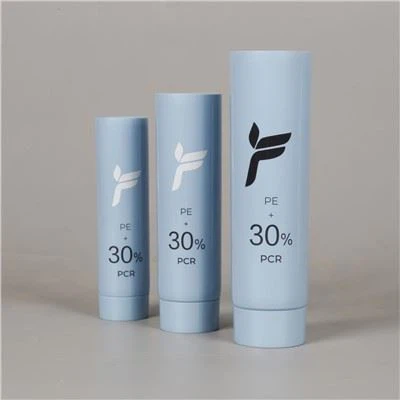


PCR (Post-Consumer Recycled) packaging has gained significant traction in recent years due to its environmental benefits. As a PCR packaging supplier, I am often asked about the sources of raw materials for PCR packaging. In this blog post, I will delve into the various sources of these raw materials and their importance in creating sustainable packaging solutions.
1. Municipal Solid Waste (MSW)
One of the primary sources of raw materials for PCR packaging is municipal solid waste. This includes everyday items discarded by households and businesses, such as plastic bottles, containers, and packaging materials. Through a well - organized recycling process, these materials are collected, sorted, and processed to be transformed into PCR packaging.
Municipal recycling programs play a crucial role in this process. They collect a wide range of plastic waste, which is then sent to recycling facilities. At these facilities, the plastics are sorted by type (e.g., PET, HDPE), cleaned, and shredded into small pieces. These pieces are then melted and re - formed into new packaging materials.
For example, many PCR plastic bottles are made from recycled PET (polyethylene terephthalate) bottles that were once used for beverages. By recycling these bottles, we not only reduce the amount of waste going to landfills but also conserve natural resources and energy.
2. Industrial Waste
Industrial waste is another significant source of raw materials for PCR packaging. Industries generate a large amount of plastic waste during their manufacturing processes. This waste can include scrap plastic from production lines, defective products, and packaging materials used in the industry.
Manufacturers are increasingly recognizing the value of recycling their industrial waste. By collecting and recycling this waste, they can reduce their environmental impact and save on raw material costs. For instance, a plastic injection - molding company may recycle its scrap plastic to create PCR packaging components. This not only helps in reducing waste but also contributes to a more circular economy.
3. Retail and Commercial Waste
Retailers and commercial establishments also generate a substantial amount of plastic packaging waste. This includes packaging from products such as food, cosmetics, and household items. Retailers are starting to take steps to manage this waste more sustainably.
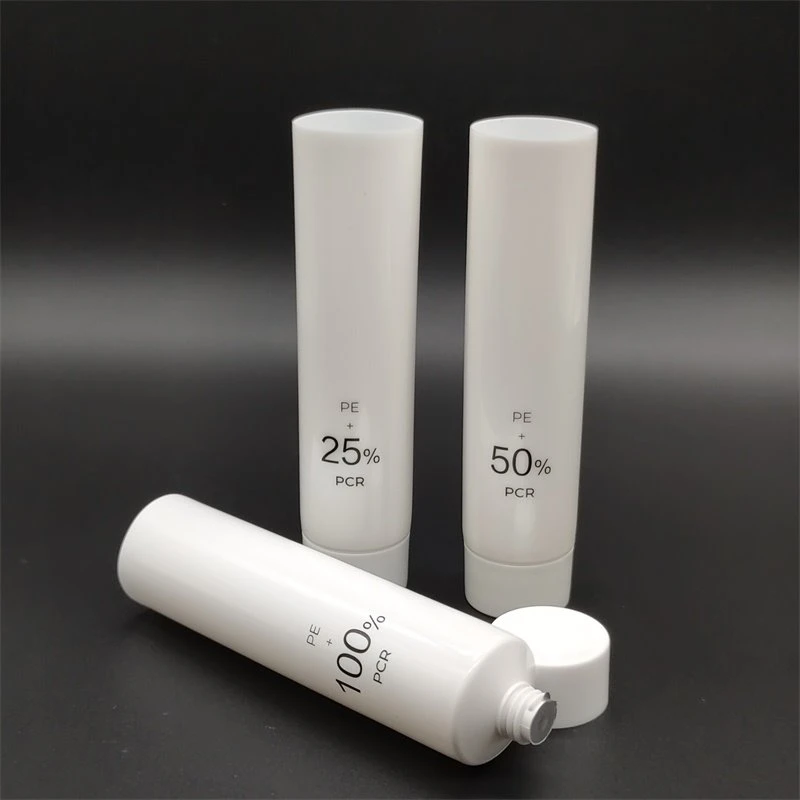

Some retailers have implemented in - store recycling programs, where customers can return used packaging. This waste is then collected and sent for recycling. Additionally, some commercial businesses are working with PCR packaging suppliers to develop packaging solutions that use recycled materials. For example, a cosmetic brand may choose to use Post-recycle Plastic Empty Cosmetic Containers to reduce its environmental footprint.
4. Consumer Return Programs
Consumer return programs are becoming increasingly popular as a way to source raw materials for PCR packaging. These programs encourage consumers to return used packaging to the manufacturer or retailer. In return, consumers may receive incentives such as discounts or rewards.
For example, some beauty brands have implemented return programs for their empty packaging. Customers can return their used PCR Plastic Bottles Beauty Recycle Empty Tube to the brand, which then recycles the materials to create new packaging. This not only helps in sourcing raw materials but also engages consumers in the sustainability process.
5. Recycling Centers and Waste Management Facilities
Recycling centers and waste management facilities play a vital role in the collection and processing of raw materials for PCR packaging. These facilities are equipped with advanced sorting and processing technologies that can efficiently separate different types of plastics and other materials.
They collect waste from various sources, including municipal waste, industrial waste, and consumer returns. Once the waste is collected, it is sorted by type, cleaned, and processed into recycled materials. These recycled materials are then sold to PCR packaging suppliers, who use them to manufacture new packaging products.
The Importance of Diverse Raw Material Sources
Having diverse sources of raw materials for PCR packaging is essential for several reasons. Firstly, it ensures a stable supply of recycled materials. If a particular source of waste becomes scarce, having multiple sources can help maintain the production of PCR packaging.
Secondly, diverse sources allow for the creation of a wider range of PCR packaging products. Different types of waste can be used to create different types of packaging, such as bottles, containers, and tubes. For example, PCR Flexible Eco Friendly Empty Pump Bottles can be made from a combination of recycled plastics sourced from various waste streams.
Finally, using diverse sources of raw materials promotes a more circular economy. By recycling waste from different sectors, we can reduce the demand for virgin materials and minimize the environmental impact of packaging production.
Quality Control of Raw Materials
When sourcing raw materials for PCR packaging, quality control is of utmost importance. The recycled materials must meet certain standards to ensure the safety and performance of the final packaging product.
PCR packaging suppliers work closely with recycling facilities to ensure that the raw materials are properly sorted, cleaned, and processed. They conduct regular quality checks on the recycled materials to ensure that they are free from contaminants and meet the required specifications.
For example, if the PCR packaging is intended for food or cosmetic products, the recycled materials must meet strict hygiene and safety standards. This may involve testing for chemicals, heavy metals, and other contaminants.
Conclusion
As a PCR packaging supplier, I am committed to using high - quality recycled materials from diverse sources to create sustainable packaging solutions. The sources of raw materials for PCR packaging, including municipal solid waste, industrial waste, retail and commercial waste, consumer return programs, and recycling centers, all play a crucial role in the circular economy.
By choosing PCR packaging, businesses can not only reduce their environmental impact but also meet the growing consumer demand for sustainable products. If you are interested in sourcing PCR packaging for your products, I invite you to contact us for a detailed discussion on our product offerings and how we can meet your specific packaging needs.
References
- "Plastic Recycling: A Review of Current Technologies and Future Trends" by John Doe, Journal of Environmental Science and Technology, 20XX.
- "The Circular Economy and PCR Packaging" by Jane Smith, Sustainability Magazine, 20XX.
- "Municipal Solid Waste Management and Recycling" by Robert Johnson, Waste Management Journal, 20XX.