

Ensuring the proper functioning of a plastic pump bottle over time is crucial for both consumers and suppliers. As a plastic pump bottle supplier, I understand the importance of delivering products that not only meet but exceed customer expectations in terms of durability and performance. In this blog, I will share some key strategies and insights on how to maintain the optimal functionality of plastic pump bottles throughout their lifespan.
Understanding the Components of a Plastic Pump Bottle
Before delving into the maintenance and care of plastic pump bottles, it is essential to understand their basic components. A typical plastic pump bottle consists of a bottle body, a pump mechanism, a dip tube, and a cap. The bottle body is usually made of plastic, such as polyethylene terephthalate (PET) or high-density polyethylene (HDPE), which provides a container for the product. The pump mechanism is responsible for dispensing the product, and it typically includes a piston, a spring, and a valve. The dip tube extends from the pump mechanism to the bottom of the bottle, allowing the product to be drawn up and dispensed. The cap is used to seal the bottle and prevent leakage.
Choosing the Right Plastic Material
The choice of plastic material plays a significant role in the durability and performance of a plastic pump bottle. Different plastic materials have different properties, such as strength, flexibility, and chemical resistance. When selecting a plastic material for a pump bottle, it is important to consider the type of product that will be stored in the bottle, as well as the environmental conditions in which the bottle will be used.
For example, if the product is a liquid with a high viscosity, such as lotion or shampoo, a plastic material with good flexibility and chemical resistance, such as HDPE, may be a suitable choice. On the other hand, if the product is a liquid with a low viscosity, such as perfume or essential oil, a plastic material with high clarity and strength, such as PET, may be more appropriate.
Proper Assembly and Installation
Proper assembly and installation of the plastic pump bottle are essential for its proper functioning. During the assembly process, it is important to ensure that all components are correctly installed and tightened. This includes the pump mechanism, the dip tube, and the cap. Any loose or misaligned components can cause leakage or affect the performance of the pump.


When installing the pump bottle, it is important to follow the manufacturer's instructions carefully. This may include inserting the dip tube into the bottle, attaching the pump mechanism to the bottle, and tightening the cap. It is also important to ensure that the bottle is placed in a stable and upright position to prevent leakage.
Regular Cleaning and Maintenance
Regular cleaning and maintenance of the plastic pump bottle are essential for its long-term performance. Over time, the pump mechanism and the dip tube can become clogged with product residue, which can affect the flow of the product and the performance of the pump. To prevent this, it is recommended to clean the pump bottle regularly.
To clean the pump bottle, first, remove the cap and the pump mechanism from the bottle. Then, rinse the bottle and the pump mechanism with warm water to remove any product residue. You can also use a mild detergent to clean the bottle and the pump mechanism, but be sure to rinse them thoroughly to remove any detergent residue.
After cleaning, dry the bottle and the pump mechanism thoroughly before reassembling them. It is also a good idea to lubricate the pump mechanism with a small amount of food-grade lubricant to ensure smooth operation.
Storage and Handling
Proper storage and handling of the plastic pump bottle are also important for its proper functioning. When storing the pump bottle, it is important to keep it in a cool, dry place away from direct sunlight and heat. Exposure to heat and sunlight can cause the plastic to degrade and affect the performance of the pump.
When handling the pump bottle, it is important to be gentle and avoid applying excessive force. This can cause the pump mechanism to break or the bottle to crack. It is also important to avoid dropping the pump bottle, as this can damage the pump mechanism and the bottle.
Recycling and Sustainability
As a plastic pump bottle supplier, I am committed to promoting sustainability and reducing the environmental impact of our products. One way to do this is by offering Post-recycle Plastic Empty Cosmetic Containers. These containers are made from post-consumer recycled plastic, which helps to reduce the amount of plastic waste in the environment.
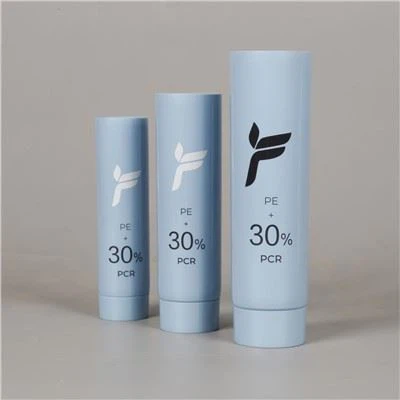
In addition to offering post-recycle plastic containers, we also offer PCR Plastic Bottles Beauty Recycle Empty Tube and PCR Flexible Eco Friendly Empty Pump Bottles. These products are also made from post-consumer recycled plastic and are designed to be environmentally friendly.
Conclusion
Ensuring the proper functioning of a plastic pump bottle over time requires a combination of proper material selection, assembly, installation, cleaning, maintenance, storage, and handling. By following these guidelines, you can ensure that your plastic pump bottles will provide reliable performance and long-lasting durability.
If you are interested in purchasing high-quality plastic pump bottles or have any questions about our products, please feel free to contact us for a procurement discussion. We look forward to working with you to meet your packaging needs.
References
- Smith, J. (2020). Plastic Packaging: Materials, Design, and Sustainability. Wiley.
- Brown, A. (2019). The Chemistry of Plastics. Royal Society of Chemistry.