


PCR, or Post-Consumer Recycled, packaging has emerged as a game-changer in the fight against packaging waste. As a PCR packaging supplier, I've witnessed firsthand how this innovative approach not only addresses environmental concerns but also offers practical solutions for reducing waste volume. In this blog, I'll delve into the mechanisms through which PCR packaging achieves this goal and explore its benefits for businesses and the planet.
Understanding PCR Packaging
PCR packaging is made from materials that have been recycled from post-consumer waste. These materials are collected, sorted, cleaned, and processed to create new packaging products. The use of recycled materials reduces the demand for virgin resources, conserves energy, and minimizes the environmental impact associated with traditional packaging production.
One of the key advantages of PCR packaging is its ability to reduce waste volume at every stage of the product lifecycle. From manufacturing to disposal, PCR packaging offers significant benefits that contribute to a more sustainable future.
Reducing Waste in Manufacturing
The production of PCR packaging requires less energy and resources compared to traditional packaging made from virgin materials. By using recycled materials, manufacturers can reduce the amount of raw materials extracted from the environment and minimize the energy-intensive processes involved in producing new packaging.
For example, the production of PCR plastic bottles requires up to 70% less energy than the production of virgin plastic bottles. This reduction in energy consumption not only lowers greenhouse gas emissions but also helps to conserve natural resources.
In addition to energy savings, PCR packaging also reduces waste generation during the manufacturing process. By using recycled materials, manufacturers can minimize the amount of waste sent to landfills and incinerators. This helps to reduce the environmental impact of packaging production and promotes a more circular economy.
Minimizing Waste in Distribution and Storage
PCR packaging is designed to be lightweight and durable, which makes it ideal for transportation and storage. The use of lightweight packaging materials reduces the weight of the product, which in turn reduces the amount of fuel required for transportation. This helps to lower greenhouse gas emissions and minimize the environmental impact of logistics.
In addition to reducing transportation emissions, PCR packaging also helps to minimize waste during storage. The durable nature of PCR packaging ensures that products are protected during transit and storage, reducing the risk of damage and spoilage. This helps to reduce the amount of product waste generated and ensures that products reach consumers in good condition.
Encouraging Recycling and Reuse
One of the key benefits of PCR packaging is its ability to encourage recycling and reuse. By using recycled materials, PCR packaging helps to close the loop on the recycling process and promote a more circular economy.
When consumers recycle PCR packaging, the materials are collected, sorted, and processed to create new packaging products. This helps to reduce the demand for virgin resources and minimize the environmental impact of packaging production.
In addition to recycling, PCR packaging can also be reused multiple times. For example, PCR flexible eco-friendly empty pump bottles can be refilled with new products, reducing the need for single-use packaging. This helps to minimize waste generation and promote a more sustainable lifestyle.
Examples of PCR Packaging Products
As a PCR packaging supplier, we offer a wide range of products that are designed to reduce waste volume and promote sustainability. Some of our popular products include:
- PCR Flexible Eco Friendly Empty Pump Bottles: These bottles are made from recycled materials and are designed to be lightweight and durable. They are ideal for packaging liquids such as shampoo, conditioner, and body wash.
- Post-recycle Plastic Empty Cosmetic Containers: These containers are made from recycled plastic and are designed to be stylish and functional. They are ideal for packaging cosmetics such as creams, lotions, and makeup.
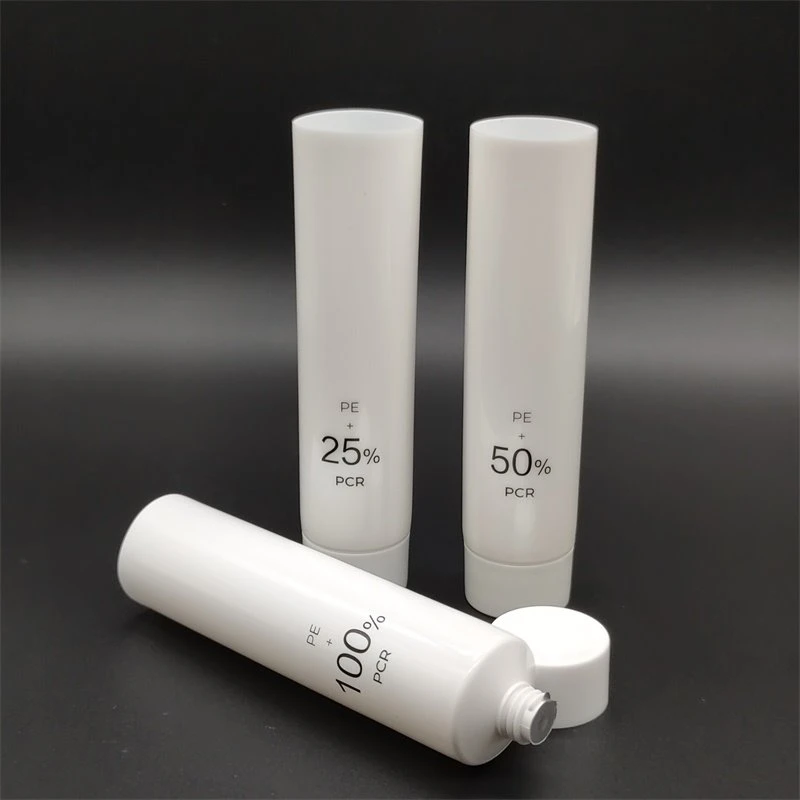
- PCR Plastic Bottles Beauty Recycle Empty Tube: These tubes are made from recycled plastic and are designed to be easy to use and dispense. They are ideal for packaging beauty products such as toothpaste, lip balm, and sunscreen.
Benefits of Using PCR Packaging
There are many benefits to using PCR packaging, including:
- Environmental Sustainability: PCR packaging helps to reduce the demand for virgin resources, conserve energy, and minimize the environmental impact of packaging production.
- Cost Savings: By using recycled materials, PCR packaging can be more cost-effective than traditional packaging made from virgin materials.
- Brand Reputation: Using PCR packaging can help to enhance your brand's reputation and demonstrate your commitment to sustainability.
- Consumer Appeal: Consumers are increasingly concerned about the environmental impact of the products they purchase. By using PCR packaging, you can appeal to these consumers and differentiate your brand from competitors.
Conclusion
PCR packaging is a sustainable solution for reducing packaging waste volume and promoting a more circular economy. By using recycled materials, PCR packaging helps to conserve energy, minimize the environmental impact of packaging production, and encourage recycling and reuse.
As a PCR packaging supplier, we are committed to providing our customers with high-quality, sustainable packaging solutions. If you're interested in learning more about our products or would like to discuss your packaging needs, please don't hesitate to contact us. We look forward to working with you to create a more sustainable future.

References
- "The Benefits of PCR Packaging." Packaging Digest.
- "How PCR Packaging Reduces Waste." Sustainable Packaging Coalition.
- "PCR Packaging: A Sustainable Solution for the Future." GreenBiz.


