


Are you in the market for custom eco packs? As a supplier of custom eco packs, I understand that getting an accurate quote is a crucial first step in your packaging journey. In this blog post, I'll guide you through the process of obtaining a quote for a custom eco pack, highlighting important factors to consider and providing insights to help you make informed decisions.
Understanding Your Needs
The first step in getting a quote for a custom eco pack is to have a clear understanding of your specific requirements. Begin by defining the purpose of the packaging. Are you looking for eco-friendly solutions for cosmetics, food products, or other consumer goods? Each industry may have unique needs in terms of size, shape, and functionality.
For instance, if you're in the cosmetic industry, you might be interested in Organic Cosmetic Packaging Biodegradable Bottles. These bottles are not only biodegradable but are also designed to meet the aesthetic and functional needs of cosmetic products. On the other hand, if you're focused on post - recycle options, Post - recycle Plastic Empty Cosmetic Containers could be a great choice.
Consider the quantity of custom eco packs you need. Bulk orders often come with different pricing structures compared to smaller quantities. Think about your production schedule and future demand. If you anticipate growth in your business, it might be wise to discuss long - term supply options with your potential supplier.
Material Selection
The choice of materials for your custom eco pack significantly impacts the cost. There is a wide range of eco - friendly materials available in the market, including recycled plastics, paperboard, bioplastics, and glass.
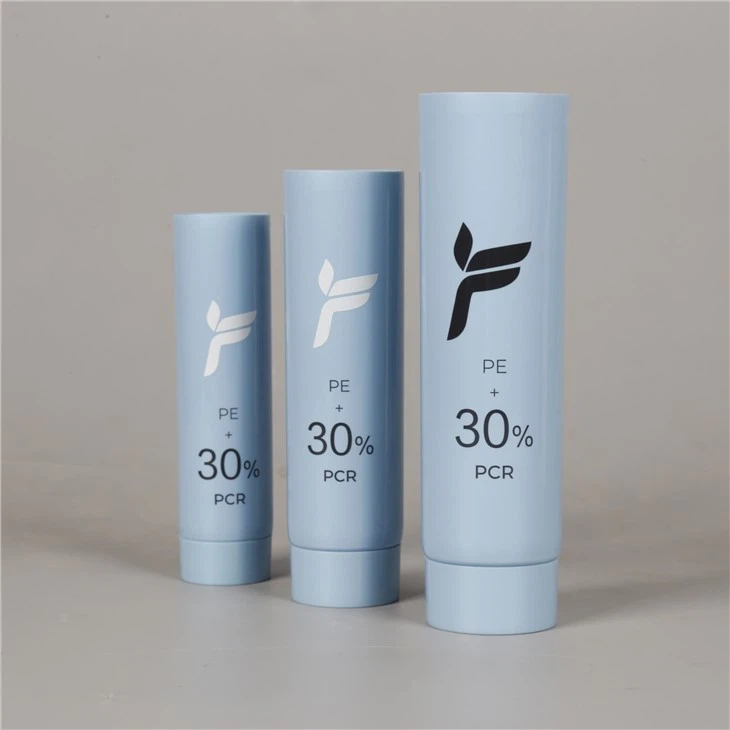
Recycled plastics, such as those used in PCR Flexible Eco Friendly Empty Pump Bottles, are a popular choice due to their cost - effectiveness and environmental benefits. They are made from post - consumer recycled materials, which reduces the demand for virgin plastics.
Paperboard is another sustainable option, especially for products that don't require a high level of moisture resistance. It is lightweight, easy to print on, and can be recycled or composted. Bioplastics, derived from renewable resources like corn starch or sugarcane, offer a more environmentally friendly alternative to traditional plastics. However, they may be more expensive due to the production process.
Glass is a highly recyclable material that provides excellent protection for products. It is often used for high - end cosmetics and food products. But it is heavier and more fragile, which can increase shipping costs.
Design Complexity
The design of your custom eco pack also plays a role in determining the quote. A simple design with basic shapes and minimal printing will generally be less expensive than a complex design with intricate patterns, embossing, or special finishes.
If you have specific branding requirements, such as your company logo, colors, and unique graphics, make sure to communicate these details clearly to the supplier. Some suppliers may offer in - house design services, which can be a convenient option. However, if you have already designed the packaging, provide high - resolution files to ensure accurate reproduction.
Production Process
The production process for custom eco packs involves several steps, including molding, printing, assembly, and finishing. The complexity of each step can affect the overall cost.
For example, injection molding is commonly used for plastic packaging. If your design requires a custom mold, there will be an additional upfront cost for mold creation. Printing methods also vary, with digital printing being more suitable for small - scale production and offset printing for larger quantities.
Finishing touches, such as lamination, varnishing, or applying a special coating, can enhance the appearance and durability of the packaging but will add to the cost. Discuss the different production options with your supplier to find the most cost - effective solution for your needs.
Obtaining a Quote
Once you have a clear understanding of your needs, material preferences, design requirements, and production process, it's time to reach out to custom eco pack suppliers. You can start by searching online, attending industry trade shows, or asking for recommendations from colleagues.
When contacting suppliers, provide as much detailed information as possible. Include the following in your request:

- Product description: Describe the product that will be packaged, its size, weight, and any special handling requirements.
- Quantity: Specify the number of custom eco packs you need initially and your long - term forecast if applicable.
- Material preferences: List the materials you are interested in using, along with their pros and cons for your product.
- Design details: Attach your design files or provide a detailed description of the design, including colors, graphics, and any special features.
- Delivery requirements: Mention your expected delivery date and any specific shipping locations.
Most suppliers will ask for some time to review your requirements and prepare a quote. Be patient during this process, as they may need to consult with their production teams, source materials, and calculate costs accurately.
Comparing Quotes
Once you receive quotes from multiple suppliers, it's important to compare them carefully. Don't just focus on the price; consider other factors such as quality, lead time, and customer service.
A lower - priced quote may not always be the best option if the quality of the materials or craftsmanship is compromised. Look for suppliers who have a good reputation in the industry, positive customer reviews, and a track record of producing high - quality eco - friendly packaging.
Lead time is also crucial, especially if you have a tight production schedule. Make sure the supplier can meet your delivery deadlines. Additionally, evaluate the level of customer service provided by the supplier. A responsive and cooperative supplier can make the entire process smoother and more efficient.
Negotiation
In some cases, there may be room for negotiation. If you are placing a large order or have a long - term partnership in mind, you can discuss the possibility of a better price or additional services with the supplier. However, approach negotiation in a professional and respectful manner, and be prepared to justify your requests.
Making a Decision
After comparing quotes, negotiating, and evaluating the overall suitability of each supplier, it's time to make a decision. Choose the supplier that offers the best combination of quality, price, lead time, and customer service.
Once you've selected a supplier, finalize the details of the order, including the contract terms, payment schedule, and delivery arrangements. Maintain regular communication with the supplier throughout the production process to ensure everything goes as planned.
Conclusion
Getting a quote for a custom eco pack requires careful planning and consideration. By understanding your needs, selecting the right materials, communicating your design requirements clearly, and comparing quotes from multiple suppliers, you can find a cost - effective and high - quality solution for your packaging needs.
If you're interested in discussing your custom eco pack requirements further and exploring potential partnerships, I encourage you to reach out. Together, we can create the perfect packaging solution that not only meets your business goals but also contributes to a more sustainable future.
References
- Packaging Industry Association Reports
- Sustainable Materials Research Journal
- Custom Packaging Case Studies


