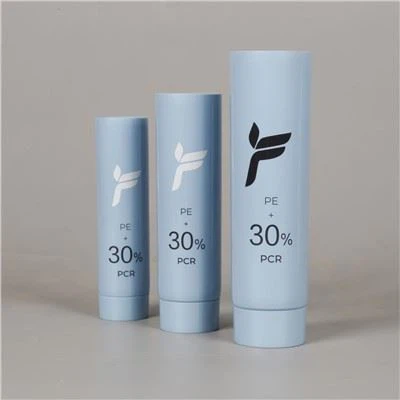


Does PCR Packaging Protect Products from Moisture?
As a supplier of PCR (Post-Consumer Recycled) packaging, I've witnessed firsthand the growing demand for sustainable packaging solutions in the market. One of the most common questions we receive from our customers is whether PCR packaging can effectively protect products from moisture. In this blog post, I'll delve into this topic, exploring the science behind PCR packaging and its moisture protection capabilities.
Understanding PCR Packaging
PCR packaging is made from post-consumer recycled plastics, which are collected from consumer waste streams, processed, and then used to manufacture new packaging materials. This approach not only reduces the amount of plastic waste going to landfills but also conserves natural resources by using existing materials.
The quality and performance of PCR packaging can vary depending on the source of the recycled plastics, the recycling process, and the manufacturing techniques used. However, modern recycling technologies have advanced significantly, allowing for the production of high-quality PCR packaging that can meet the same standards as virgin plastic packaging in many applications.
Moisture Protection Mechanisms
Moisture can have a detrimental effect on many products, especially those that are sensitive to humidity. It can cause products to degrade, lose their efficacy, or develop mold and bacteria. Therefore, effective moisture protection is crucial for maintaining the quality and shelf life of products.
PCR packaging can provide moisture protection through several mechanisms:
- Barrier Properties: PCR plastics can be engineered to have specific barrier properties that prevent moisture from entering the package. For example, some PCR plastics can be formulated with additives or coatings that enhance their moisture resistance. These barriers can be tailored to meet the specific requirements of different products, such as food, cosmetics, or pharmaceuticals.
- Sealing Integrity: The design and construction of PCR packaging play a crucial role in its moisture protection capabilities. A well-sealed package can prevent moisture from seeping in through the edges or openings. This can be achieved through the use of tight-fitting lids, seals, or closures. Additionally, the choice of materials and manufacturing processes can ensure that the package maintains its integrity over time, even under varying environmental conditions.
- Material Thickness: The thickness of the PCR packaging material can also affect its moisture protection. Thicker materials generally provide better moisture resistance than thinner ones. However, the thickness needs to be balanced with other factors, such as cost, weight, and environmental impact.
Case Studies and Research Findings
Numerous studies have been conducted to evaluate the moisture protection capabilities of PCR packaging. For example, a study published in the Journal of Packaging Science and Technology compared the moisture barrier properties of PCR plastic bottles with those of virgin plastic bottles. The results showed that the PCR bottles had comparable moisture barrier performance to the virgin bottles, indicating that PCR packaging can be an effective alternative for moisture-sensitive products.
In another case study, a cosmetic company switched from virgin plastic packaging to PCR packaging for its moisturizer products. The company conducted extensive testing to ensure that the PCR packaging provided adequate moisture protection. The results showed that the PCR packaging maintained the quality and stability of the moisturizer, with no significant differences in moisture content or product performance compared to the virgin plastic packaging.
Applications of PCR Packaging for Moisture Protection
PCR packaging is widely used in various industries where moisture protection is essential. Here are some examples:


- Food Packaging: PCR packaging is commonly used for food products that are sensitive to moisture, such as snacks, cereals, and dried fruits. The moisture barrier properties of PCR packaging help to keep the food fresh and prevent spoilage.
- Cosmetic Packaging: Many cosmetic products, such as creams, lotions, and serums, require moisture protection to maintain their quality and efficacy. PCR packaging can provide a sustainable solution for cosmetic companies, while also protecting their products from moisture damage. For example, Post-recycle Plastic Empty Cosmetic Containers are a popular choice for cosmetic brands looking for eco-friendly and moisture-resistant packaging options.
- Pharmaceutical Packaging: Pharmaceuticals are often sensitive to moisture, which can affect their stability and effectiveness. PCR packaging can be used to protect pharmaceutical products from moisture, ensuring their quality and safety. For instance, Organic Cosmetic Packaging Biodegradable Bottles can provide a sustainable and moisture-resistant solution for pharmaceutical packaging.
Factors Affecting Moisture Protection in PCR Packaging
While PCR packaging can provide effective moisture protection, several factors can affect its performance:
- Environmental Conditions: The humidity and temperature of the storage environment can impact the moisture protection capabilities of PCR packaging. High humidity levels can increase the risk of moisture ingress, while extreme temperatures can cause the packaging material to expand or contract, potentially compromising its integrity.
- Product Characteristics: The nature of the product being packaged also plays a role in determining the required moisture protection. Some products are more sensitive to moisture than others, and may require a higher level of moisture barrier performance.
- Packaging Design: The design of the PCR packaging, including the shape, size, and closure mechanism, can affect its moisture protection capabilities. A well-designed package can minimize the surface area exposed to moisture and provide a tight seal to prevent moisture from entering.
Conclusion
In conclusion, PCR packaging can effectively protect products from moisture when designed and manufactured properly. The advancements in recycling technologies have made it possible to produce high-quality PCR packaging with comparable moisture barrier properties to virgin plastic packaging. By choosing PCR packaging, companies can not only reduce their environmental impact but also ensure the quality and shelf life of their products.
If you're interested in learning more about our PCR packaging solutions or have specific requirements for moisture protection, we'd be happy to discuss your needs. Our team of experts can provide you with detailed information and guidance on the best packaging options for your products. Contact us today to start a conversation about how PCR packaging can benefit your business.
References
- Journal of Packaging Science and Technology, "Comparison of Moisture Barrier Properties of PCR and Virgin Plastic Bottles"
- Case study: Cosmetic company's switch to PCR packaging for moisturizer products